


NEW ALLOCATIONS REGISTRATION/TYPE/SERIAL NUMBER/DATE/OPERATOR/PREVIOUS REGISTRATIONS AVP/6 Gippsland GA8 Airvan GA8-05-089 1/4/16 Air Australia (Tours), PO Box 240 North Tamborine Qld 4272 N8088D EPU/3 Bell 407 53494 20/4/16 Eagle Copters Australasia, PO Box 4220 Coffs Harbour Jetty NSW 2450 C-FLCI N409AL N9182V FED/3 Air Tractor AT-802 802-0454 4/4/16 Dunn Aviation, 11B Eagle Dr Jandakot Airport WA

Hainan Airlines’ parent company HNA Group is to take an equity stake in Virgin Australia as part of a new commercial alliance announced on Tuesday. The Chinese airline and aviation conglomerate and Virgin Australia have signed a heads of agreement to form a “strategic commercial alliance” where HNA will take an initial 13 per cent
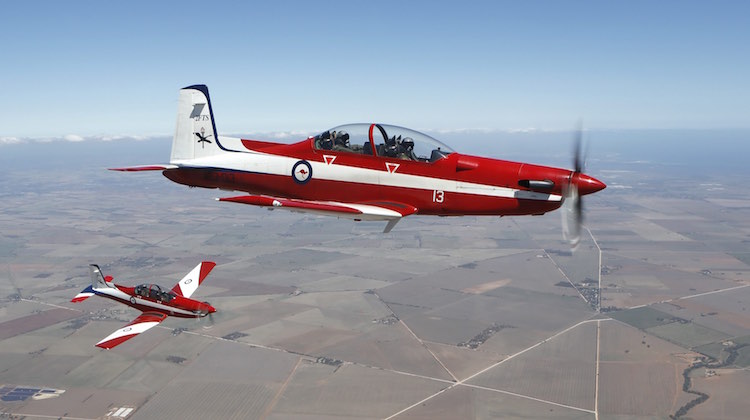
The RAAF says it is gradually returning its PC-9/A turboprop trainer fleet to flying status as the aircraft undergo inspections following the discovery of cracking in the folding strut of the aircraft’s nose landing gear. “The PC-9/A fleet is being progressively reviewed and returned to flying. There are now over 20 aircraft flying across all Air

Cathay Pacific takes delivery of first A350
Cathay Pacific has taken delivery of its first Airbus A350, with A350-900 B-LRA touching down at Hong Kong International Airport on Sunday morning after a nonstop flight from Toulouse. Flight tracking website flightradar24.com shows B-LRA departing Toulouse at 2:16pm on Saturday, touching down at Cathay Pacific’s home base of Hong Kong at 7:53am on Sunday, operating as

Qantas arrests falling domestic demand trend
Qantas says it has “arrested” the decline in revenue per seat in its domestic businesses as it continues to suppress capacity in response to weaker demand. In its monthly traffic statistics report released to the Australian Securities Exchange (ASX) on Monday, Australia’s largest airline group said revenue per available seat kilometre (RASK) across its domestic businesses (Qantas and

Air New Zealand is trialling the use of a camera carrying wall climbing robot to inspect hard to reach surfaces on its aircraft. “Currently to inspect the top of the fuselage, as we do following incidents such as lightning strikes, engineers need to work at heights of up to eight metres,” Air New Zealand chief operations officer Bruce


